
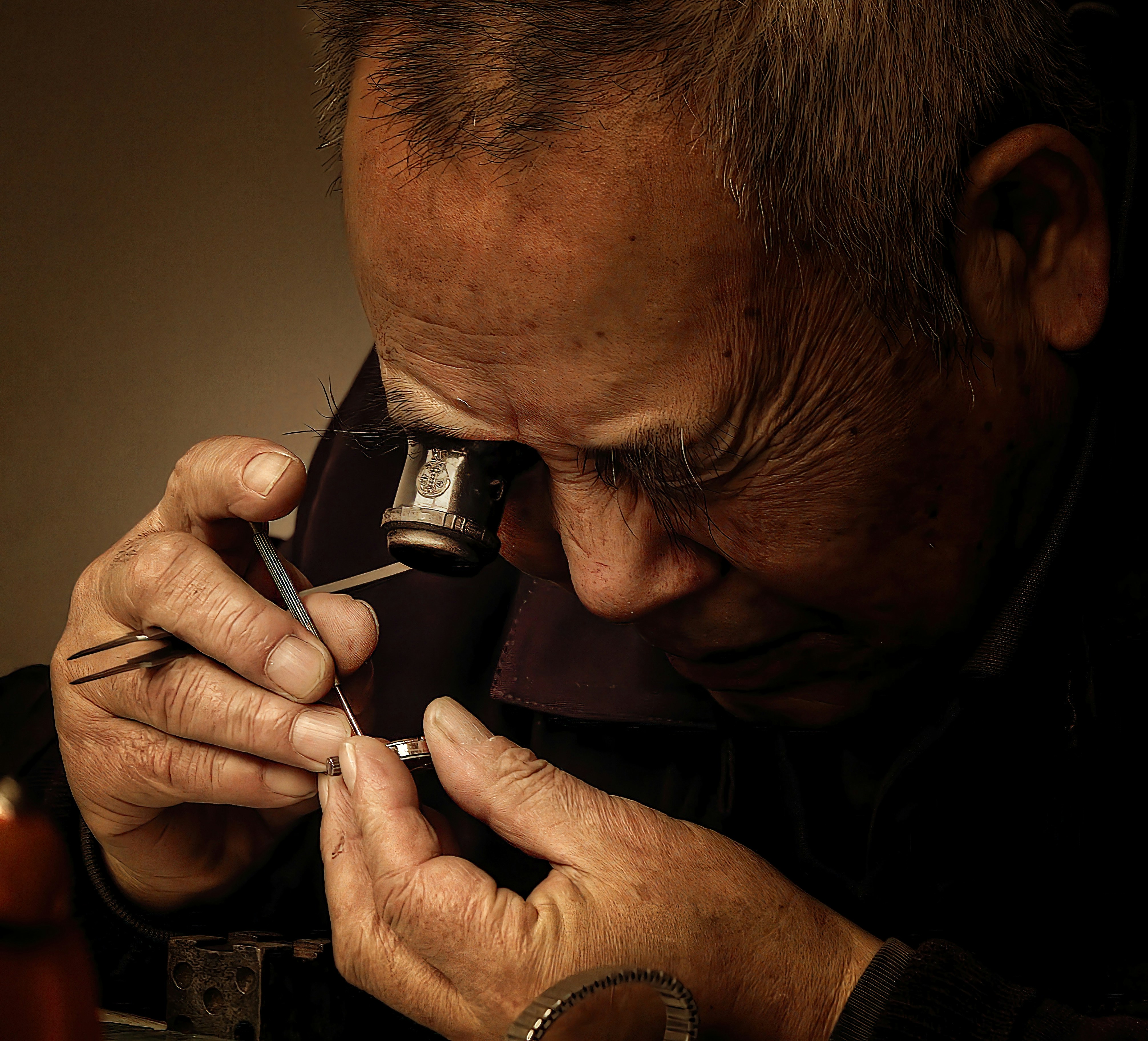
The Art of Timekeeping
Clockmaking stands as an esteemed craft with deep historical roots, illustrating the intersection of science, art, and functionality. Throughout centuries, clockmakers have played a pivotal role in revolutionizing the way societies perceive and organize time. The emergence of precision timekeeping in the 14th century not only marked significant advancements in technology but also transformed daily life, allowing for a more structured society. Prior to this evolution, time measurement was typically rudimentary, relying on sundials and water clocks, which offered limited accuracy.
As societies evolved, so did the complexity involved in tracking time. The introduction of mechanical clocks in the medieval period represented a leap forward, enabling communities to synchronize their activities more efficiently. This necessity for reliability in time measurement catalyzed the rise of clockmakers, who were not simply artisans but essential contributors to societal progression. They meticulously created intricate timepieces that were both functional and aesthetically pleasing, reflecting the artistry of the era.
Clockmakers' expertise extended beyond mere creation, encompassing maintenance and repair, further solidifying their importance within the community. Their craftsmanship showcased an amalgamation of engineering knowledge and artistic expression, resulting in unique pieces that became coveted items in households and public spaces alike. These timepieces served not only as tools for everyday timekeeping but also as status symbols that conveyed wealth and sophistication. The legacy of clockmakers, therefore, is not just encapsulated in the objects they produced, but also in the profound impact they made on societal structure and cultural identity.
In understanding the art of timekeeping, we acknowledge the contributions of clockmakers throughout history and their continued influence on our modern perception of time. The legacy of these artisans endures, reminding us of the intricate dance between human innovation and the relentless passage of time.
Meet the Clockmaker: A Life of Precision and Patience
The elderly clockmaker, a pillar of his quaint community, embodies a life dedicated to precision and patience. Born into a family of craftsmen, he was exposed to intricate mechanical devices from an early age. His father, a skilled watchmaker, instilled a passion for the delicate art of horology, encouraging him to appreciate the beauty of timekeeping. Throughout his formative years, the clockmaker honed his skills in the workshop, surrounded by the soft ticking of countless clocks and the fragrant aroma of polished wood.
As he matured, his dedication to the craft deepened, becoming not merely a profession but a profound calling. The clockmaker realized that creating timepieces was about more than assembling gears and springs; it was about capturing moments and emotions in a tangible form. Every clock he crafted had a story—an expression of love, loss, or nostalgia. His clients often returned, not just for repairs, but to share the life events woven around their cherished timepieces.
The clockmaker’s relentless pursuit of perfection is evident in every creation, characterized by meticulous attention to detail and an unwavering commitment to quality. He believes that time is the most precious commodity, and his work serves as a reminder of its value. Each tick of a clock is a testament to his patience and precision, as he carefully calibrates each mechanism to ensure optimal performance. This dedication has earned him respect and admiration from fellow artisans and clients alike, creating an emotional bond that transcends simple transactions.
Throughout his career, the clockmaker has encountered numerous challenges, from sourcing rare components to adapting to modern technological advancements. Yet, he has embraced these obstacles, viewing them as opportunities for growth and learning. In every setback, he has discovered valuable insights, reinforcing the notion that mastery is not just a destination but a lifelong journey. His legacy, intrinsically linked to the art of clockmaking, is a celebration of time, patience, and the enduring human spirit.
The Final Promise: A Masterpiece in the Making
As the years accumulated within the walls of his workshop, the clockmaker made a pivotal declaration to his loyal patrons and apprentice: he would craft one final masterpiece before retirement. This decision carried with it an emotional weight that not only marked the end of an era for him but also represented a significant reflection on his life’s work and legacy in the artisan world of horology. The act of creating this final piece was laden with the essence of his experiences, lessons learned, and the skill honed over countless hours spent amidst the gears and springs of timekeeping devices.
The concept for this exquisite timepiece began to unfold as he envisioned a design that would encapsulate the essence of his journey as a clockmaker. Drawing inspiration from historical artifacts, modern design principles, and personal memories, he set out to create a piece that transcended mere functionality. The clock was to be a representation of time itself—a celebration of moments and the transient nature of existence. He aimed to incorporate elements that would not only showcase precise craftsmanship but also evoke emotion, allowing the onlooker to resonate with the intricate story of its creation.
However, the road to realizing this vision was fraught with challenges. The clockmaker faced dilemmas regarding the selection of materials that would complement not only the aesthetic but also the durability of the piece. Additionally, he grappled with the mechanics involved—each component must work in flawless harmony to truly reflect the standard he was renowned for. The pressure to create a final testament to his lifetime of work weighed heavily upon him, as did the realization that this piece would be a part of his legacy—a symbol of the countless hours dedicated to an art form that had defined his existence.
Historical Influences: The Evolution of Clockmaking
The art of clockmaking has undergone significant transformations since its inception, shaped by various technological advancements and historical influences. The journey began in the 13th century with the advent of the first mechanical clocks in Europe, which signified a remarkable shift from sundials and water clocks. These early mechanical instruments laid the groundwork for precision timekeeping, relying on weight-driven mechanisms.
Key developments in clockmaking emerged during the Renaissance, a period marked by profound innovation and revival of classical knowledge. Renowned figures such as Galileo Galilei and his exploration of pendulum motion directly influenced the design and accuracy of timepieces. The introduction of the pendulum clock in the 17th century by Christiaan Huygens revolutionized clockmaking by drastically improving timekeeping accuracy, reducing error margins to mere seconds.
In the following centuries, advancements in technology continued to shape the craft. The Industrial Revolution brought mass production techniques into clockmaking, enabling the creation of standardized clock components. This shift not only democratized access to timekeeping devices but also spurred creativity in design, as seen in ornate mantel clocks and intricately crafted grandfather clocks.
During the 19th century, influential clockmakers such as John Harrison and Howard Miller established new benchmarks in horological innovation. Harrison’s quest to create a reliable marine chronometer enabled safe long-distance navigation, marking a significant milestone in clock technology. Meanwhile, Miller’s company adapted modern manufacturing methods, reinforcing the importance of precision while maintaining craftsmanship quality.
The evolution of clockmaking is a testament to human ingenuity, reflecting societal changes and technological strides over time. Understanding these historical influences not only honors the artisans of the past but also provides insight into the craftsmanship that continues to evolve to this day.
The Challenges of Craftsmanship: Trials and Tribulations
The journey of a clockmaker is seldom a straightforward path. When undertaking the creation of his final masterpiece, the clockmaker finds himself confronted with numerous challenges that test both his technical skills and emotional fortitude. First and foremost, the intricacies involved in crafting a clock demand precision and a meticulous approach. The clockmaker encounters issues such as misaligned gears, incorrect calculations, and the delicate balance required to achieve the perfect timing. Each component must harmoniously fit together, and any flaws can lead to significant setbacks in the project.
Moreover, the pressure intensifies as the clockmaker endures emotional tribulations. As he works tirelessly on the clock, doubt begins to creep in. Memories of past creations flood his mind, reminding him of the technical hurdles he previously overcame. There are moments when he questions if he possesses the same finesse as he once did, leading to frustrating bouts of self-reflection. Such crises of confidence can potentially stall progress—further complicating an already intricate process. The clockmaker's emotional journey reveals the mental resilience required to navigate the peaks and valleys of craftsmanship.
Nostalgia plays an equally pivotal role in shaping the clockmaker's experience. As he meticulously shapes each part of the new clock, he recalls moments spent learning from mentors and honing his craft over decades. These reflections often prompt bittersweet emotions, blending pride in his accomplishments with sorrow for the passage of time. The resonance of these memories serves as a motivator, pushing him to overcome present challenges while celebrating a legacy steeped in tradition and artistry.
Emotional Connections: The Clockmaker's Legacy
The clockmaker’s journey is not merely defined by the intricate mechanisms he skillfully constructs; it is profoundly shaped by the emotional connections he cultivates with his apprentices, clients, and the wider community. Over the years, he has nurtured a bond with various individuals, fostering a sense of belonging and shared passion for the craft of clockmaking.
His apprentices are perhaps the most direct recipients of his legacy. Many of these young artisans have been drawn to the essence of clockmaking not just through the technical knowledge imparted by the clockmaker, but also through the enthusiasm he exudes. The clockmaker has always emphasized the significance of precision, patience, and a love for the craft, qualities that his apprentices find deeply inspiring. Through hands-on experiences and mentorship, he instills in them the value of creating not just functional timepieces, but timeless treasures that hold emotional significance for their future owners. This passion often ignites a flame within them that drives their continued involvement in the craft.
Additionally, the clockmaker's relationships with his clients reflect a broader, communal connection. Every clock crafted is not just a product; it is a story, an heirloom that weaves together the narratives of families who cherish timepieces passed down through generations. The clockmaker has frequently listened to his clients’ stories and integrated these personal histories into his work, enhancing the emotional weight of his creations. These interactions underscore his role as a custodian of time, building a service-oriented ethos that resonates deeply with the community.
The legacy the clockmaker builds through these connections is profound, ensuring that the art of clockmaking remains vibrant and relevant for many years. By instilling passion and reflecting on shared human experiences, he ensures that his influence transcends the mere creation of clocks, embedding his essence into the very fabric of the community he serves.
Crafting the Masterpiece: A Journey of Creation
The creation of the final clock masterpiece was not merely a task but a labor of love that encapsulated years of skill and dedication. This remarkable clock, emblematic of the clockmaker’s journey, showcases the intricate techniques employed to achieve perfection in every component. Each movement, gear, and detail has been meticulously crafted, reflecting a blend of traditional craftsmanship and innovative design.
To begin, the clockmaker sourced the finest materials, choosing from a palette that melds rare woods, precision-engineered metals, and delicate glass components. The case itself is constructed from mahogany, renowned for its durability and rich hue, providing a sturdy yet elegant enclosure. Inside, the meticulously assembled mechanism features brass gears, known for not only their strength but also their ability to withstand the tests of time, ensuring that the clock remains accurate for generations.
During the construction process, great attention to detail was paramount. Each gear was hand-cut and polished to ensure a seamless function, while the clock’s face was designed with an intricate pattern that is both aesthetically pleasing and functional. Specialty tools were employed to engrave designs that reflect the clockmaker's signature style, incorporating both artistry and tradition. This artisanal approach resulted in features such as luminous hands and an ornate pendulum that swings gently, offering a mesmerizing visual display.Furthermore, innovative techniques were used to enhance the clock’s functionality, including a unique escapement system that allows for precision timing. This system, not commonly found in mass-produced timepieces, is a testament to the clockmaker’s expertise and commitment to quality. The combination of traditional techniques and modern innovations culminated in a masterpiece that stands as a celebration of craftsmanship and a lasting legacy within the world of horology.
The Unveiling: A Celebration of Life and Work
The anticipation in the air was palpable as the community gathered for the unveiling of the clockmaker’s last masterpiece. Long before the sun began to rise, townsfolk filled the plaza, exchanging whispers and glances, their excitement mirrored in the twinkling lights of the clock’s face, hidden under a velvety cloth. The clock, a grand creation that embodied years of craftsmanship, stood tall as a testament to the clockmaker's legacy.
Families arrived early, children clutching colorful balloons, their giggles mingling with the gentle chiming of nearby bells. As the minutes ticked away, the crowd swelled with friends, neighbors, and admirers who had come to honor the clockmaker's dedication. The clock's intricate details, visible only in glimpses from beneath the covering, sparked conversations among attendees who reminisced about memories tied to the clockmaker’s previous works, each tick a reminder of life’s passing moments.
As the clockmaker approached the pedestal, his heart swelled with emotional weight. Each tick and tock echoed his journey—the long hours spent in the workshop, the laughter shared with apprentices, and the close bond formed with the community. The clock was more than just an object; it represented a lifetime of memories, challenges, and triumphs. With a deep breath and a warm smile, he pulled back the cloth, revealing not just a clock, but a beautifully crafted symbol of time itself, reflecting the very essence of community spirit.
The crowd erupted into applause, eyes glistening with pride and appreciation for the artistry before them. For the clockmaker, this moment was bittersweet—a celebration of his life’s work intertwined with the realization of a new chapter. With every glance at the masterpiece, he knew that he was not just unveiling a clock but cementing his legacy in the hearts of all who cherished their shared moments, forever intertwined with the rhythm of time.
An Inspiring Conclusion: The End of One Journey, the Start of Another
As the clockmaker laid down his tools for the final time, he reflected on a lifetime dedicated to a craft that merged artistry with precision. His last masterpiece, a stunning timepiece that encapsulated his skill and passion, stands not only as a testament to his craftsmanship but also as an emblem of the impact one individual can have on a community. This creation, rich with intricate details and history, will echo through time, reminding those who behold it of the dedication and creativity poured into its making.
The emotional farewell to his beloved art was not merely about closing a chapter; it highlighted the significance of pursuing one's passions and the meaning found within one’s work. The clockmaker’s final piece serves as a profound reminder that every creation carries a story—a narrative of inspiration, perseverance, and legacy. By sharing his journey, he imparts wisdom to those who seek to find fulfillment in their own endeavors. His message resonates with aspiring artisans and seasoned professionals alike: embrace your craft, continue learning and perfecting, and never underestimate the power of your work to influence those around you.
As the community gathers to honor the clockmaker’s legacy, they are urged to appreciate the beauty imbued within craftsmanship. The art of clockmaking, filled with challenges and triumphs, reflects the essence of dedication. Each tick of the clock now holds a deeper significance, serving as a reminder of the stories behind the makers and the meticulous processes that bring creations to life. The clockmaker's journey may have reached its conclusion, yet it marks the inception of countless paths for others who will follow in his footsteps. By cultivating their own skills with passion and purpose, they too, can leave an indelible mark on the world around them.